With consumers increasingly preferring to support eco-conscious businesses, it’s no surprise that reducing packaging waste has become a major priority.
With the right strategies, your business can minimise waste without compromising on product protection.
Optimising Packaging Design
One of the most effective ways to reduce waste is by using only the materials you need, as oversized packaging leads to unnecessary material use and higher shipping costs. By designing packaging that fits products more precisely, you can easily cut down on excess cardboard packaging waste.
Encouraging Reuse and Recycling
You can also design your packaging with reuse in mind. Durable cardboard boxes can be reused multiple times before being recycled, and you can even include ideas on how to do so. Additionally, including clear labelling and guidance for customers on how to recycle packaging properly can further reduce waste.
Switching to Sustainable Materials
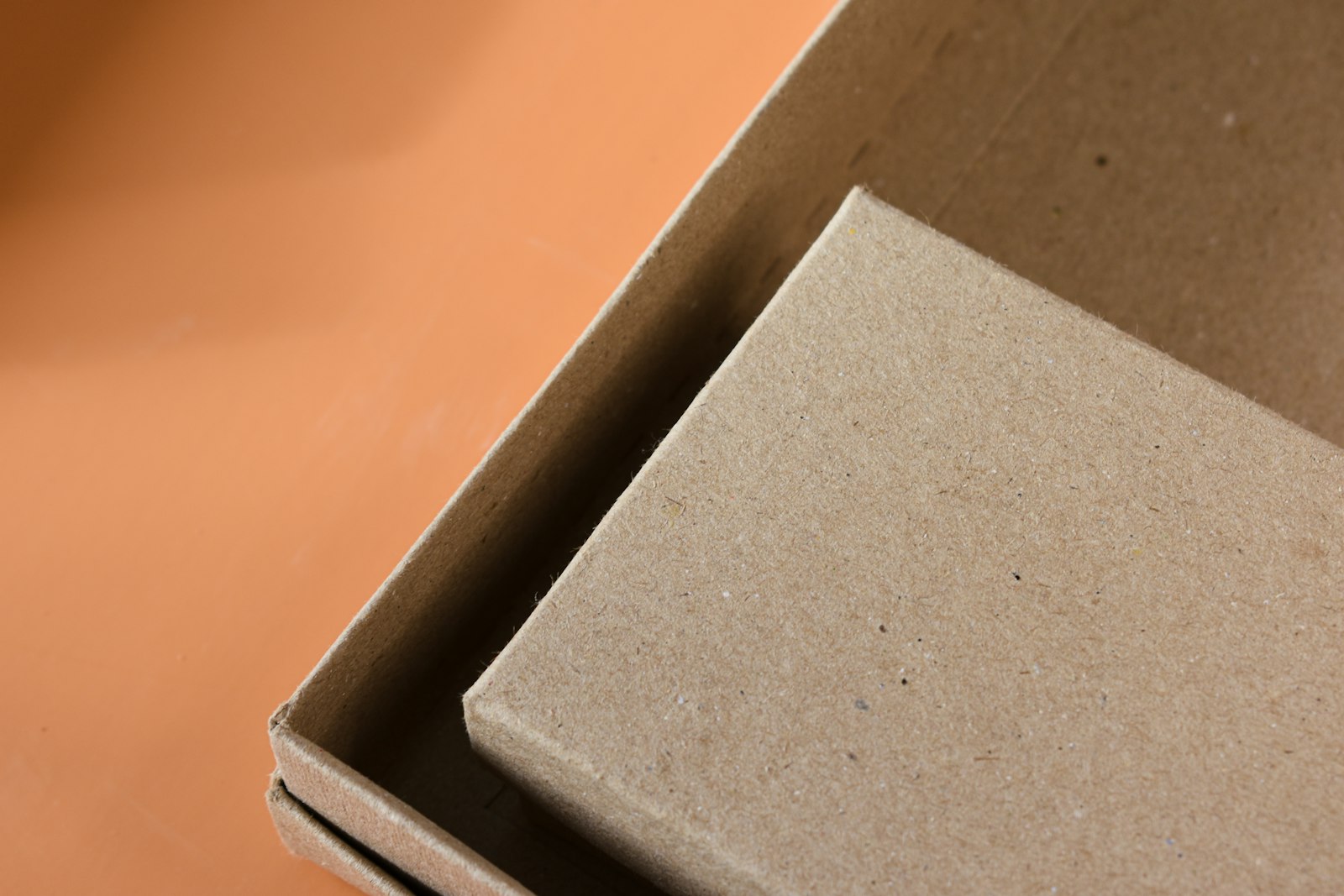
Cardboard packaging is a popular eco-friendly option because it’s widely recyclable, biodegradable, and often made from recycled content. Opting for responsibly sourced or recycled cardboard, like the examples seen here, capscases.co.uk/services/sustainable-cardboard-packaging/ can help you to lower your environmental impact while maintaining durability.
Reducing Single-Use Materials
Limiting the use of single-use plastics, such as bubble wrap or polystyrene, can make a big difference. You can replace these with recyclable or reusable cardboard packaging alternatives like paper-based cushioning or corrugated inserts, which are easier to dispose of sustainably.
Every little bit counts when it comes to reducing packaging waste, and you can use all or some of these ideas to make your business more sustainable and eco-friendly.
Related: A beginner’s guide to buying cardboard boxes
The business case for reusable packaging
Reusable packaging can make hundreds or even thousands of trips, which cuts both the cost and the time involved in the supply chain. Its environmental benefit goes beyond reducing waste, because less new packaging means fewer emissions from manufacturing and transport.
For businesses looking to reduce waste and run a more efficient supply chain, it is often the most cost-effective option when costs are being squeezed. Reusable items tend to be more robust and durable than single-use alternatives, so they need replacing far less often. Depending on the business, that might mean pallets, drums, tanks, boxes or straps.
Reusable packaging works best when there is a proper return system in place, so that containers come back to be used again. When it is managed well, it benefits supply chains in many industries, from fast moving consumer goods and automotive to retail and healthcare. The main gains are lower spending on raw materials, reduced carbon emissions and better protection for the products being moved.
Moving towards a circular business model
Recycling has long been treated as the answer to resource use, but it only deals with the end of a product’s life. If current habits continue, we will need more resources than one planet can provide. Recycling also falls short in practice, because many consumers and businesses are unsure what can be reused, and one survey found around a quarter of people were throwing away items that could easily have been recycled.
A more effective approach is to use resources efficiently in the first place. That applies whether a business is wrapping something as small as a pair of socks or packing large, bulky goods that need far more material.
A circular economic model goes further than recycling. Rather than simply finding new uses for what has already been made, it limits waste from the start and uses less energy along the way. For packaging firms, it can free up money tied up in assets, reduce costs and give the business an environmental policy it can be proud of.