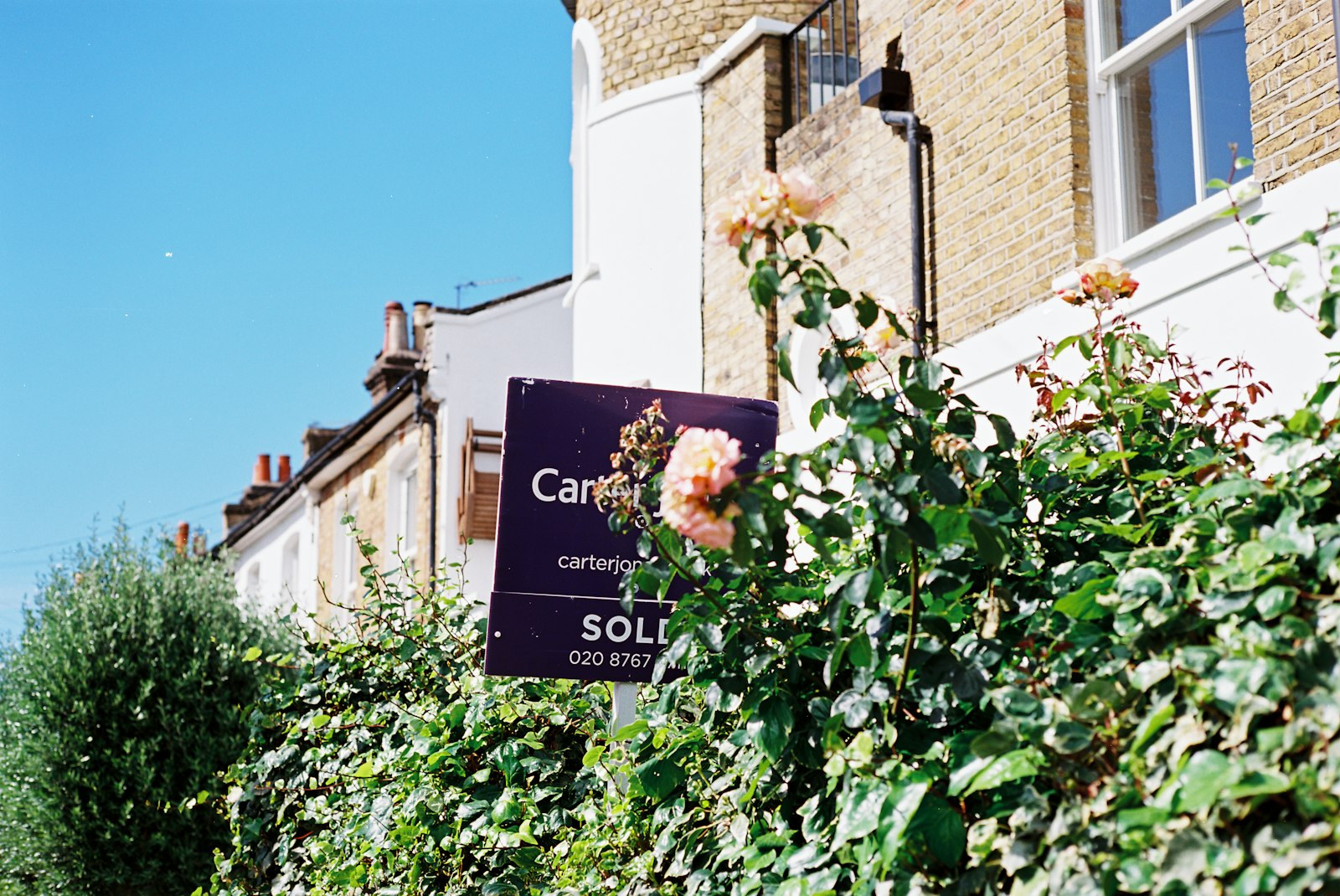
Receiving a low offer on your home can be hard to stomach, but usually it’s just business. One common trick some buyers use to gauge your level of motivation is to start low. Some are on a tight budget, others have read or seen something (true or not) that worries them.
You want to handle it with equanimity, maintain your price, and save the sale.
Step 1: Don’t Dismiss It Straight Away
Whatever deal you could have closed, all of it is gone with one swift no. Context will be given by your estate agent, so don’t immediately dismiss it. For Estate Agents Cheltenham, contact http://www.meandyouestateagents.co.uk/
Find out:
- Whether they are a first-time buyer or in a chain
- Whether or not they have proof of funds or a mortgage in principle
- How quickly they can proceed
- Whether the offer stems from a survey concern, or is merely a negotiation
Step 2: Can You Realistically Accept a Lower Price?
If you get plenty of viewings but only low offers, the market may be telling you something.
Look at:
- Completed sale prices (not just what they were listed for)
- Similar properties for sale in the local area
- Parking, length of lease and other terms and conditions
If your home is priced correctly, one low offer does not matter. When all offers are low, that is a signal.
When to Negotiate
Negotiation makes sense when:
- The buyer is in a strong position (cash, or no chain)
- They can move quickly
- They have offered within a realistic range of your base price
- You have limited competing interest
Most of the time, simple is best: just counter. There are also many more parts of the offer to adjust other than price, such as terms for a quick completion or leaving certain things included with the house.
When to Walk Away
In some cases, walking away is the right move:
- The buyer is unable to provide evidence of funds or a mortgage-ready position
- They are asking for a large discount without any good reason
- They keep changing the offer or adding conditions
- There is more interest from other buyers
If you do say no, leave it open: ‘I am afraid we cannot agree to that figure, but near offers will be considered at £X’.
A Practical Rule of Thumb
Be open to negotiation. If the buyer is unsure and there is a big gap, hold your price so that you can walk away if you need to.
Your estate agent should advise you on the demand locally and help select a price that is most likely to secure a swift completion.
Related: The facts about Stamp Duty land tax
What your estate agent must do with offers
When a low offer comes in, it helps to understand the agent’s role. The estate agent works for the seller. They are employed to sell the house quickly at the best possible price, and because they earn commission on the final figure, it is in their interest to encourage buyers to pay as much as they can.
An agent also has a legal obligation to pass on every offer a buyer makes, as long as it is above any minimum the seller has set. That is why opening bids are sometimes low: buyers know the offer must reach you, and they hope you want a quick sale. Seeing it as the start of a negotiation, rather than an insult, puts you in a stronger position.
Agents have a duty to tell buyers about known problems with a property, and withholding information can land them in legal difficulty. Being open about any issues from the start means fewer surprises later and fewer chances for a buyer to chip away at the price.