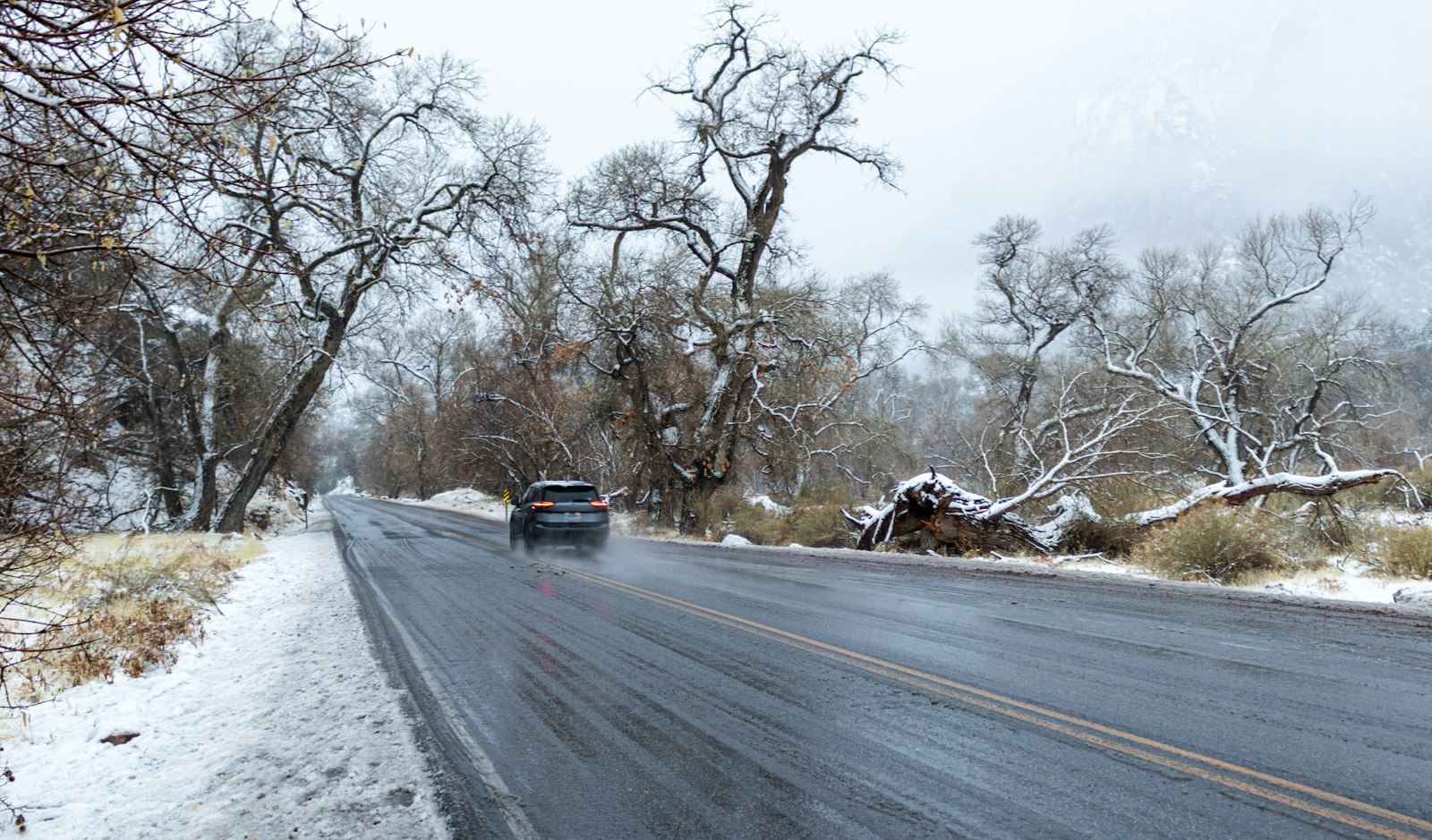
Driving in the winter can be a challenge and the recent cold snap that brought ice and snow to the UK means that you need to take extra care when you are driving. Other conditions that pose a challenge in the winter include rain, wind and lack of light or low sun that can make visibility difficult.
Car maintenance of course is important all year round. You need to make sure that your MOT is up to date and go to places like this MOT Gloucester based company www.123carandcommercial.com/mot-gloucester to have your test done, but there are also extra checks that you can do at home yourself, particularly during the winter months, to help you to be safe on the roads this winter.
Check Your Tyres
One of the most important checks is your tyres. Make sure they have sufficient tread depth, as worn tyres struggle to grip icy or wet roads. If you regularly drive in severe winter conditions, consider fitting winter tyres for improved traction. Always check tyre pressure, as cold weather can cause it to drop.
Test Your Battery
Your battery also needs to be checked, as low temperatures can reduce its efficiency and often it can cause a battery to go flat. If your car struggles to start or the battery is more than a few years old, it may be worth having it tested or replaced before the worst of the cold weather sets in.
Look After Your Brakes
Your brakes should be in good condition, as stopping distances increase on slippery roads. If you notice unusual noises or reduced braking performance, have them inspected as soon as possible.
Related: Preparing your Car for Motorway Driving in the Winter
An emergency kit and a few habits for winter journeys
Even a well-maintained car can break down or get stuck in a queue on a freezing night, so keep a few essentials in the boot through the winter. A warm blanket, spare gloves, waterproofs and sturdy boots will help you stay warm, and a torch with spare batteries, jump leads, an ice scraper and de-icer cover the common problems. Add some water and long-life snacks such as cereal bars, and keep your phone charged.
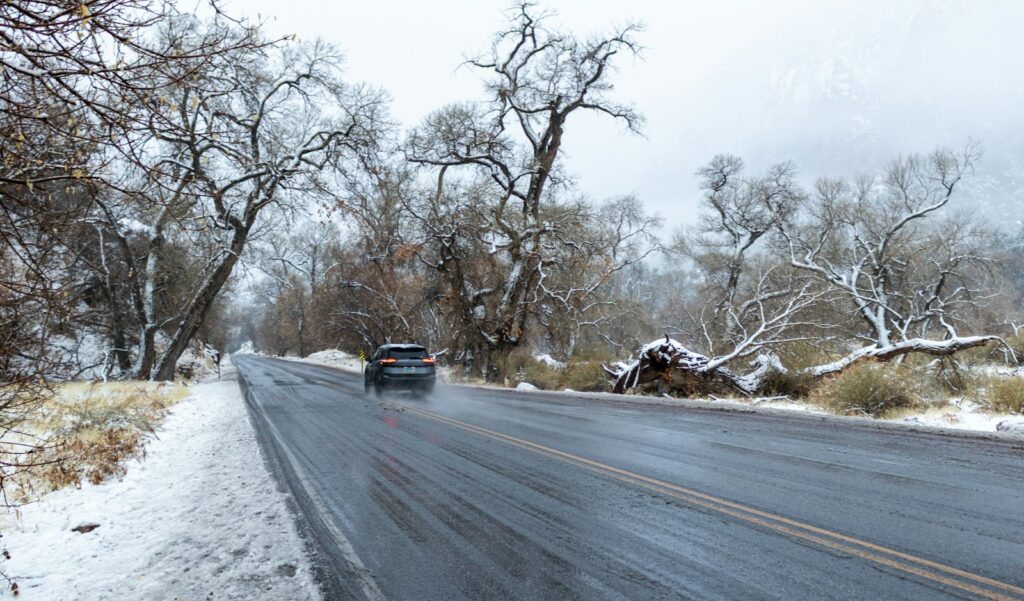
Good habits matter as much as the kit. Before setting off, clear snow and ice from every window, the lights and the roof, because snow left on top can slide down over the windscreen when you brake. Keep lights and windows clean, since being seen is as important as seeing. Once moving, drop your speed well below what you would normally do and leave a much bigger gap to the vehicle in front, giving yourself time to react gently rather than braking hard.
Winter driving habits that keep you safer
Good preparation matters as much as the car itself. Before setting off, plan a route that is less likely to be affected by bad weather, and use online maps or apps to check for traffic or closed roads. If conditions are especially poor, only travel if you really have to.
Adjust your speed and following distance. The two-second gap should be doubled in the wet, and on icy roads stopping distances can be up to ten times greater, so tailgating should be avoided completely. Match your speed to how far you can see, and keep an eye on road signs, which warn of steep hills, speed limits and road surface conditions ahead.
Use any technology your vehicle has, such as reversing cameras that make manoeuvring in tight spots easier. Do not ignore small faults like a cracked windscreen or a dashboard warning light, as these can quickly become serious in the cold. Finally, carry warm clothing, blankets and some food in case you are stranded in snow or stuck in traffic for hours.
Choosing the right tyres for the season
Tyres are the only point of contact between a car and the road, so the type you choose makes a real difference in winter. Winter tyres give excellent grip in cold, wet and icy conditions, while summer tyres work best on dry, warm roads. In areas with a mild climate, all-season tyres can be a good compromise.
Other types suit particular vehicles. All-terrain tyres, common on SUVs, have chunky tread blocks for tarmac and occasional off-road use, and drivers who regularly go off-road may need mud-terrain tyres. Run-flat tyres keep going for a limited distance at reduced speed after a puncture, so you can reach a safe place or a garage, although they can give a firmer ride and cost more to replace.
Whatever the type, tyres wear faster than many other parts. In the UK the legal minimum tread depth for cars is 1.6mm across the central three quarters of the tyre, so check them regularly, especially before the weather turns.