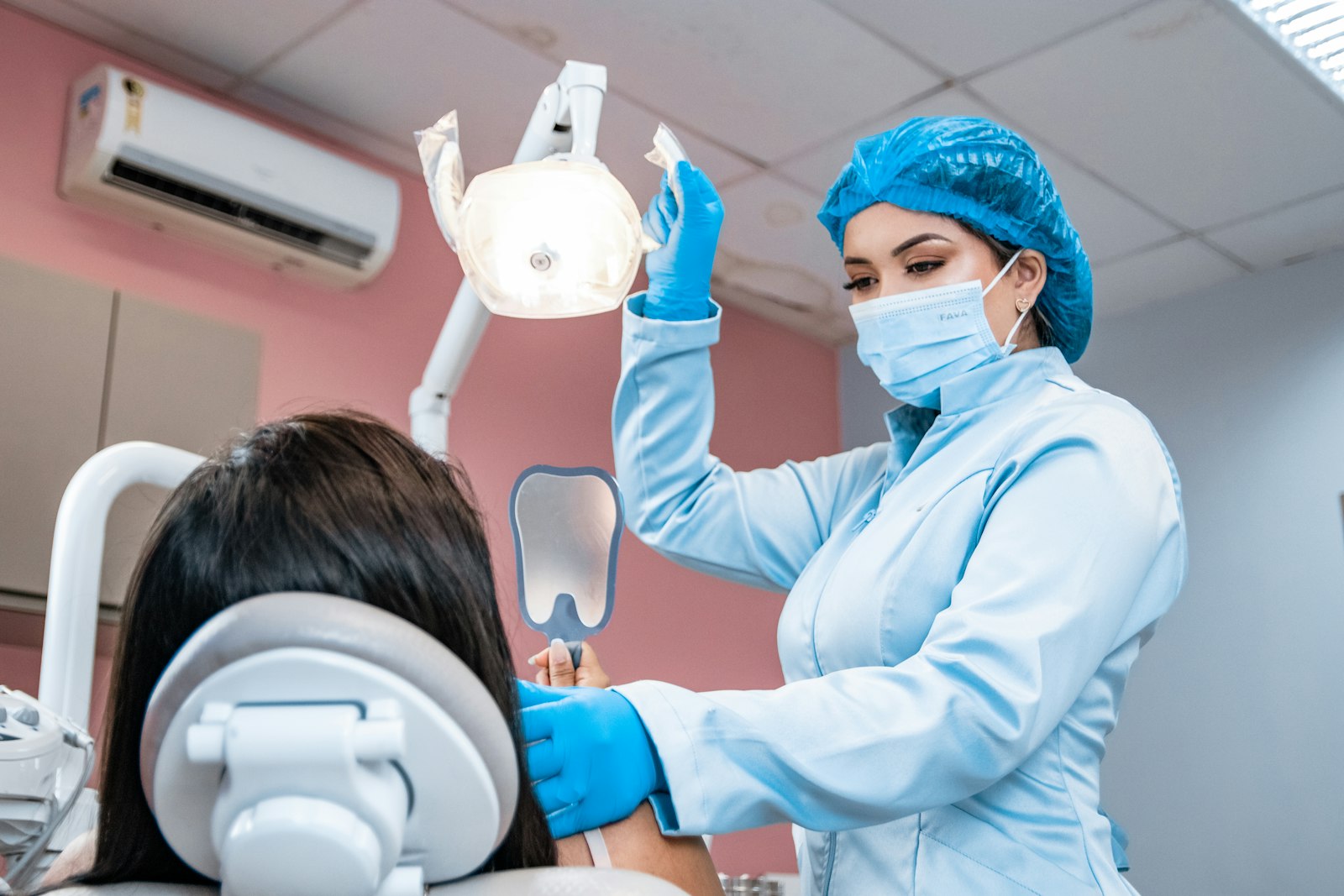
Teeth can be a big problem for some people. Tooth issues can cause all sorts of problems, from pain to a lack of confidence, and the issues that people experience can range from fairly minor to more severe.
Why Tooth Problems Happen
There are numerous reasons why people experience problems with their teeth. Some people are just genetically predisposed to tooth problems, some have issues due to their lifestyle (smoking, for example, causes issues for the teeth), and some people may have tooth problems due to an accident or illness.
What Modern Dentistry Can Do
Fortunately, modern dentistry has come a long way. Going to a professional dentist like this dentist Bournemouth based clinic https://gentledentistry.co.uk on a regular basis helps to keep the teeth and gums in good health, and dentists nowadays also have a lot of ways to repair and heal the teeth and the gums.
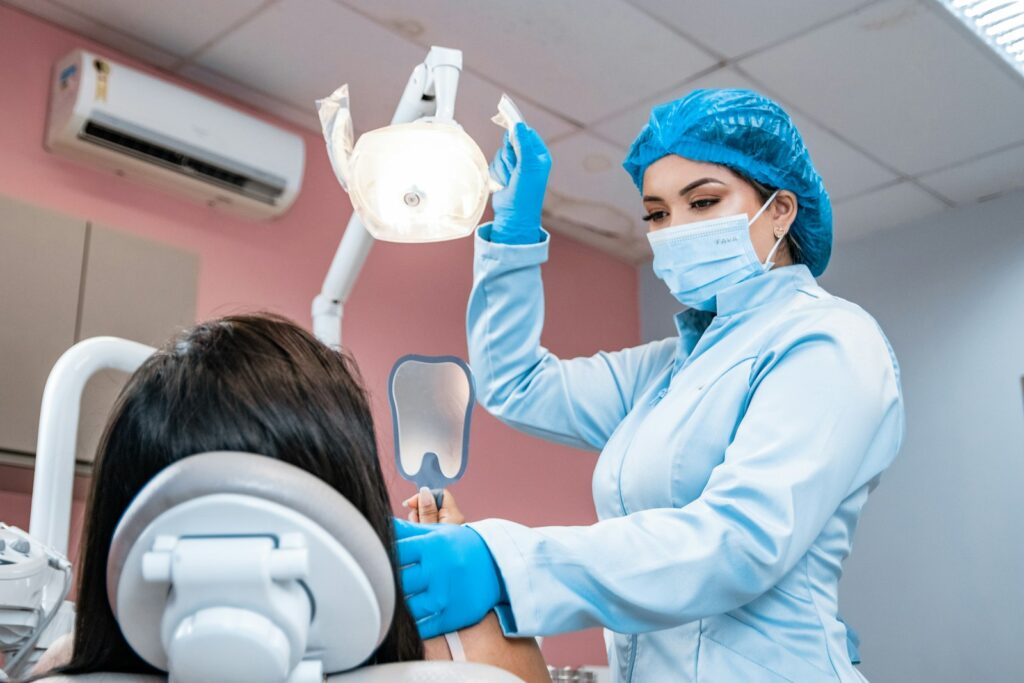
For example, issues like tooth discolouration can be remedied with a whitening treatment or even porcelain veneers. Missing teeth can be replaced with implants that look as natural as the real things, and misaligned teeth and problematic bites can be straightened out with braces.
Don’t Forget the Hygienist
As well as seeing a dentist regularly it is also advisable to see a dental hygienist to have the teeth cleaned professionally. As well as keeping teeth looking good, this also helps to keep the gums healthy, which is important to help avoid gum disease which can lead to tooth loss and pain in the mouth.
Related: Asymmetric Lips And The Implications Of Fillers
Daily brushing habits that prevent problems
Many tooth problems can be avoided with a good daily routine. Brushing properly helps prevent tooth decay and gum disease and keeps breath fresh. Manual and electric toothbrushes can both clean well if used correctly. Choose one with a small head and soft to medium bristles, and replace it every three months, or sooner if the bristles are worn.
Dentists recommend brushing twice a day for about two minutes, including last thing at night. Use a fluoride toothpaste, and after brushing spit it out rather than rinsing with water, so the fluoride can keep working.
Brushing alone does not reach between the teeth, so clean those gaps with floss or interdental brushes. This removes the plaque and food that lead to gum disease. Regular check-ups then help spot anything that does go wrong early, before it becomes a bigger and more painful problem.
Planning a cosmetic smile makeover
Modern cosmetic treatment is as much about restoring how teeth work as how they look. Enamel shaping and dental bonding can correct chipped teeth, while traditional wire braces or invisible braces reshape crooked teeth and can also correct problems with your bite.
The process usually begins with a conversation about what you want, such as the colour, shape and position of your teeth. Your dentist will assess their condition and may use digital imaging to show how you could look after treatment. Cosmetic imaging helps with diagnosis and planning, and a chosen smile design can be placed on a photo of you so you can check it meets your expectations before anything starts.
Treatment often takes more than one visit. Braces need a scan of your mouth to take measurements, and teeth are filed down to make room for veneers. There is then a wait while the braces or veneers are made to precise specifications. Once they are ready, the work can be completed, and attending follow-up appointments makes sure the treatment has been effective.
Why professional whitening works better
Discoloured teeth are one of the easiest problems to fix, and having them whitened at the dentist has clear advantages over shop bought kits. Home products take a one size fits all approach and may need applying for weeks or months, with uneven or disappointing results. A professional treatment takes about an hour and brightens teeth by several shades in one sitting.
Dentists can use stronger whitening agents than are available over the counter, which work better on stubborn stains. They also protect your gums with a cover, avoiding the painful irritation people sometimes get from home kits, and can advise on a fluoride treatment afterwards to reduce sensitivity. You can see the expected result and choose your shade.
Just as importantly, a dentist can check why your teeth are staining. If there is decay or a problem inside the tooth, it can be treated properly rather than hidden, and you get the confidence to smile freely again.