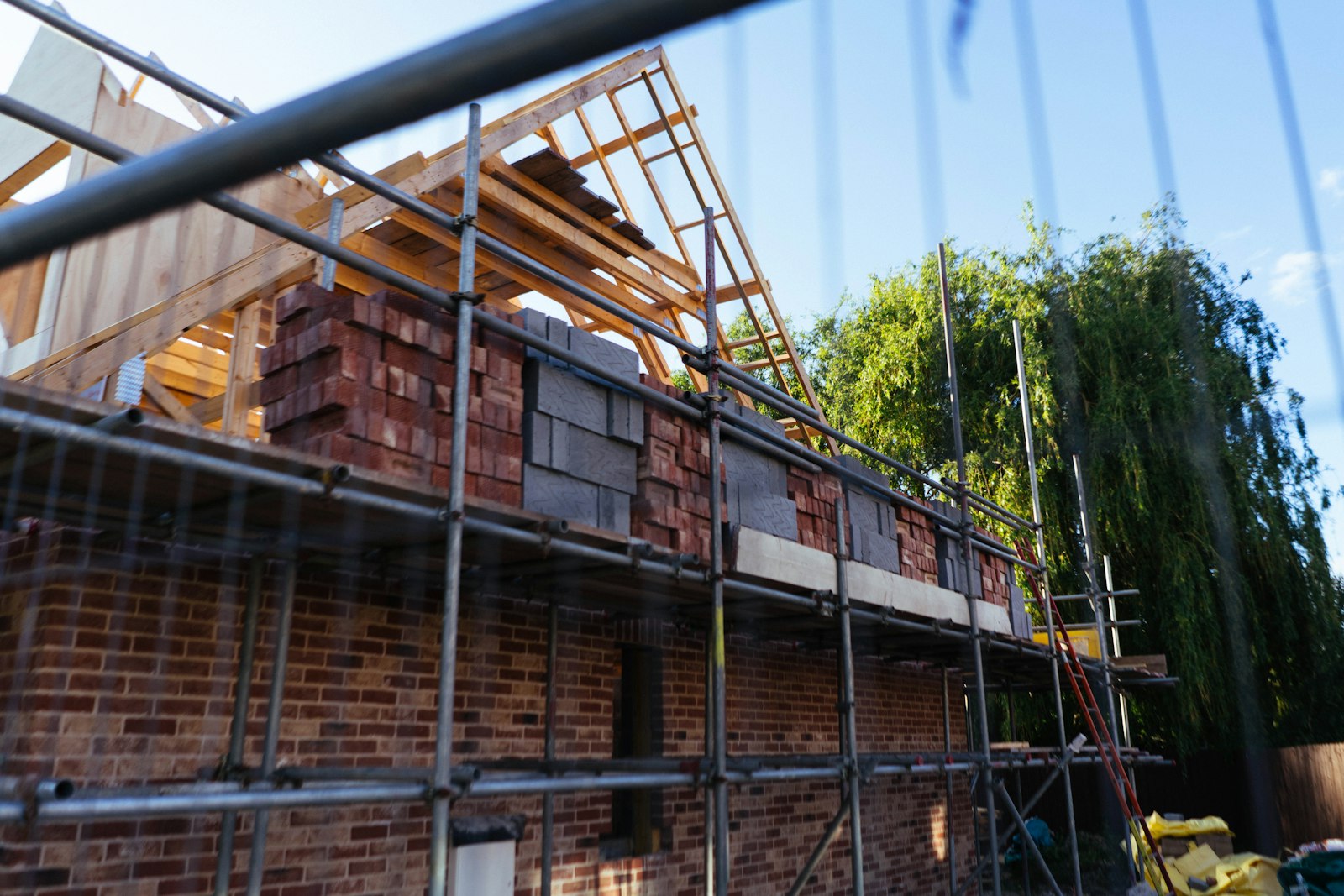
The UK homebuilding sector has been in decline for three months. The dip is part of a larger reduction in construction numbers, a problem that has been evident for a full year. The last time the country endured such a long contraction was during the 2008 to 2009 financial crisis.
Costs are Soaring. Viability is Diving
One of the key reasons for the downturn is booming material and labour costs. Inflation has had a devastating effect on the construction sector, rendering many projects financially unviable. This effect is being felt even more due to high borrowing costs, which have impacted developers and buyers alike.
Planning Delays
The Building Safety Regulator has a massive backlog. Planning approvals are sluggish, so it’s been difficult for the UK government to meet its goal of building 1.5 million homes in five years. To meet their goal, they would need to build 300,000 homes a year, but output has been missing the mark year after year.
Outlook for the Future
The UK’s homebuilding industry is expected to stay contracted for the rest of 2026, but some believe that it can be eased with planning reforms and reduced interest rates. A renewable approach such as timber frame construction by businesses such as https://merlintimberframe.co.uk could also be a solution. This method can speed up building, reduce onsite labour, and improve energy performance.
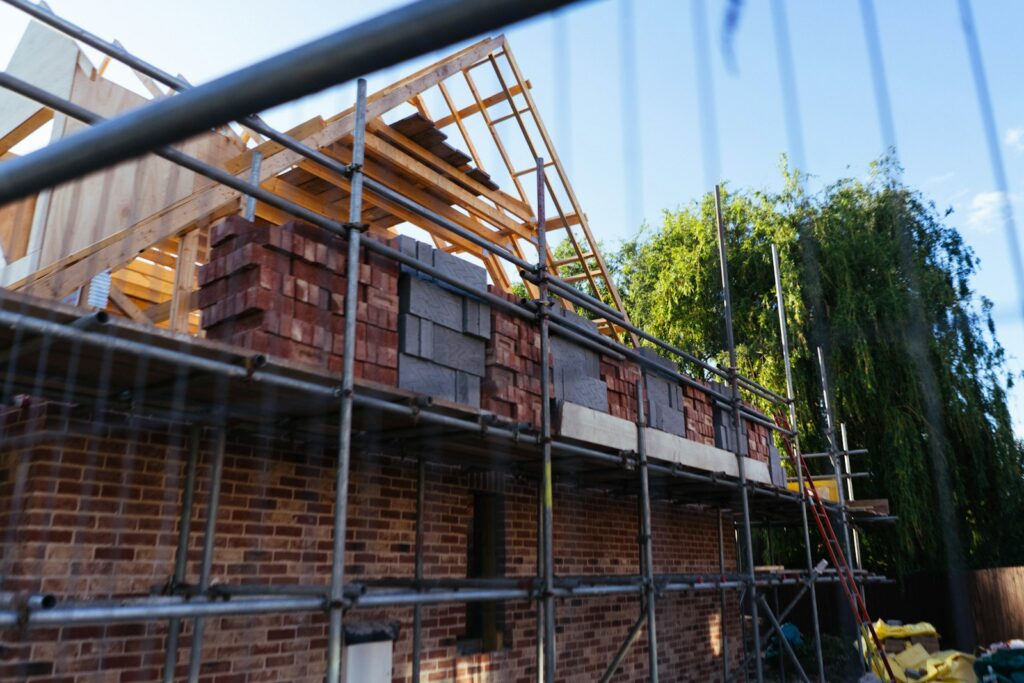
Timber frame construction is a fast, efficient, reduced-waste building method suitable for small and mid-sized properties. It’s precise, energy-efficient, and sequesters carbon without reducing the quality of the ultimate home or property.
Related: How could the housing crisis be solved?
Pressures across the wider construction sector
Housebuilding has not struggled in isolation. When rising mortgage rates and cautious spending reduce demand for new homes, developers slow projects or postpone new builds, and the same economic uncertainty tends to hold back commercial construction too. High costs discourage large investment in new office and retail developments, while civil engineering can hold up better but still suffers from budget constraints and delays to government infrastructure spending.
Material costs add further strain. Even when some prices settle, materials such as steel and concrete can stay expensive, and supply chain disruption makes planning harder. Labour shortages cause delays as firms struggle to find skilled workers, and winter weather, with heavy rain, freezing temperatures and short days, slows outdoor work.
Recovery depends on the same factors. As inflation eases and interest rates stabilise, demand should improve across the sector, and government investment in infrastructure and housing could provide some relief.