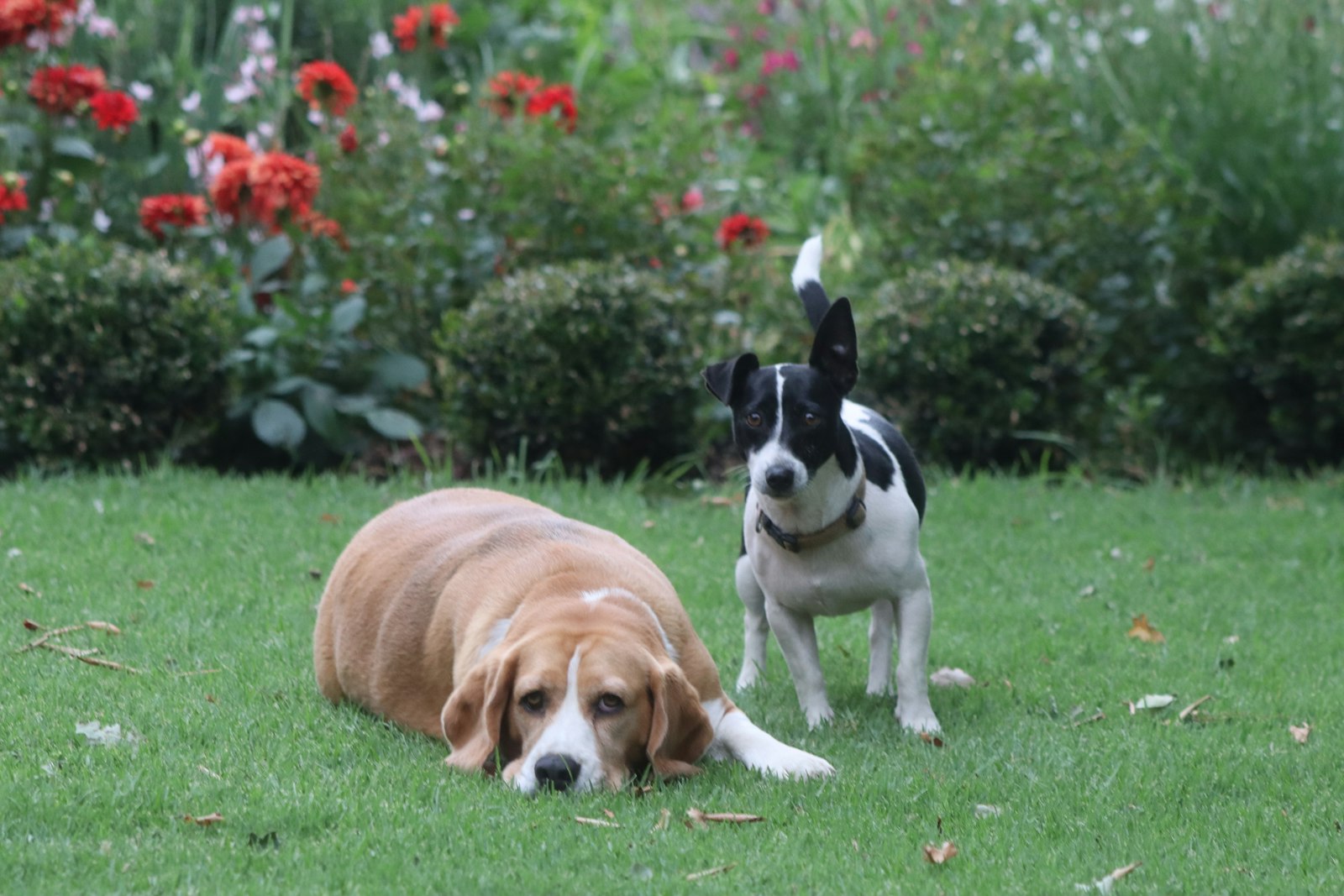
Smart gardens can accommodate dogs if they are planned around how real-life hounds behave. Here are some easy landscaping tricks that can help you with some common garden challenges, especially helpful if your canine visitors leave muddy paw prints around, contributing to “doggy smells” and digging too.
Tackle mud at the source
Wear and erosion of the grass result in mud. Lay permanent surfaces that are resistant to wear (frequently along perimeter fencing and back doors), such as gravel, paving, or a bark pathway with strong edging. If the lawn is consistently churned into a muddy mess, reduce lawn size and replace high-traffic corners with planting or create patio areas.
Improve the structure of the soil to reduce water repellency and compaction, including aeration in non-wet conditions to alleviate poor drainage. If the problem is severe, a landscaper can recommend an easy drain or re-levelling. For Landscaping in Gloucestershire, consider https://phoenixgardenersgloucester.co.uk/gloucestershire-landscaping/
Reduce smells (without harsh chemicals)
During the summer, dog wee can burn grass on lawns and smell. Train your dogs to wee in a spot that you can rinse (like gravel, mulch, or a small piece of artificial grass). Install an outdoor tap close to the potty area and use a watering can nearby if you wish to dilute urine on grass.
Select plants with care: avoid sensitive flowers at nose level, and rely on shrubs and grasses that can be brushed against now and then.
Stop digging (or redirect it)
Dogs dig out of boredom, heat or instinct. Some dogs dig for the sake of digging, while others do it when they feel bored! Set up an appropriate area for digging, such as a small sandpit or loose soil zone outside your home, and bury toys there to train them where they can dig. Protect borders with the help of raised beds or low fencing.
Related: Increase the light in your garden
Low maintenance choices that suit dog owners
A garden that needs less looking after is often easier to share with a dog. Reducing the number of plants that need care cuts down the work, and swapping some lawn for paving or gravel, or laying artificial grass, means far less upkeep through the year. If you are not confident with gardening, a professional can help redesign the space so it is simpler to manage yourself.
Boundaries matter too. Replacing a tired fence improves the look of the garden and also its security, which is reassuring when a dog is out in the garden on its own.
Rather than filling borders with plants that need lots of work and knowledge, add interest with ornaments and solar lighting. A seating area gives you somewhere to relax on a nice day and to have guests over, while the rest of the garden stays practical for everyday family and canine life.
Planning the layout and order of work
A dog friendly garden is a landscaping project you can tackle yourself with good planning. Start by deciding how you want the garden to look and what it will be used for, including the space your dog needs. Be realistic about how much time you have for maintenance, and set a budget so you know you can finish the project.
Then draw a plan showing where everything will go. It gives you a picture of the finished garden and the order of jobs. Preparation comes first: make sure drainage is adequate, which matters for muddy paws, replace topsoil where needed, clear any rubbish and level the ground. Hiring machinery can make this much easier.
With the ground ready, do the building work before any planting, such as fencing, raised beds, a patio or decking. Put in plants before the lawn, which comes last. Turf gives instant results, while seed is cheaper but needs patience and time to establish before it can take a dog’s wear.